
Who’s Afraid of Frank Bowling? Painting for and against anti-colonialism
College Art Association Annual Conference
February 2025, New York City, NY
That the Guyanese-British artist Frank Bowling made paintings in the 1970s which evince a deep admiration for Abstract Expressionism, and the Euro-American avant-garde tradition more broadly, was anachronistic for the time and is still little understood now.
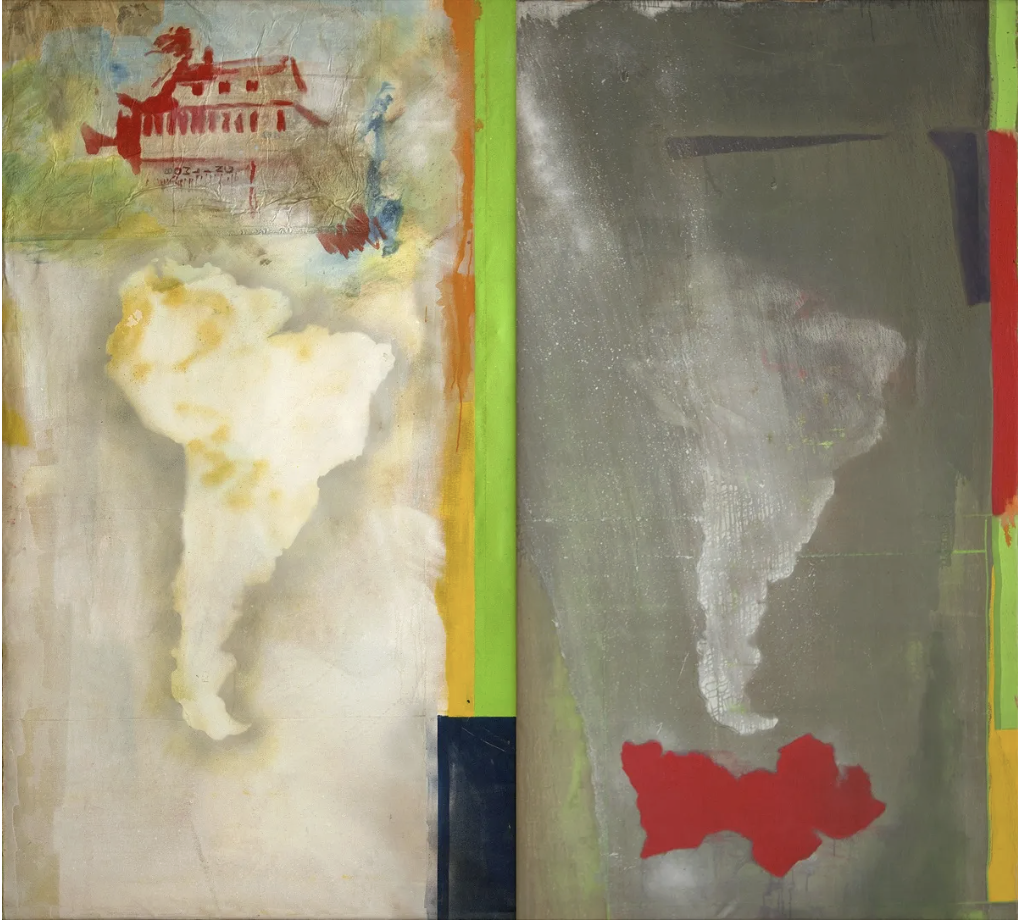
Contemporary readings of Bowling’s Maps paintings – e.g. False Start (fig. 1) – attribute Bowling’s inclusion of the shapes of Africa and South America as an expression of the artist’s anti-colonial politics, which scholarship has yet to substantiate beyond gesturing towards Bowling’s race and Guyanese heritage. And Bowling’s stylistic turn in the Poured paintings – e.g. Julia (fig. 2) – is glibly attributed to the presiding influence of his friend Clement Greenberg. Such readings of Bowling’s work not only risk falling back on infantilizing, even racist, explanations, but they fail to recognize Bowling’s contribution to 20th century abstraction – namely, his deconstruction of Pop and its unsuccessful iterations across social realist and anti-colonial art, as well as his reparative approach to modernist painting’s political aspirations.
This paper argues that the political dimensions of Bowling’s 1970s paintings are best understood as engaging what Rossi and Táíwò call “responsive universalism.” Such an approach preserves the goal of modernist painters – of varying identity categories – to create progressive, universal modes of address, while seeking to remedy these same modernists’ exclusionary, even discriminatory, practices. As Bowling’s work has enjoyed renewed popularity lately and been retroactively deemed “decolonial,” this paper makes a case for historically situating Bowling’s ambivalence towards anti-colonial art and probing whether the modernists’ political aspirations are still recoverable today.
Key images
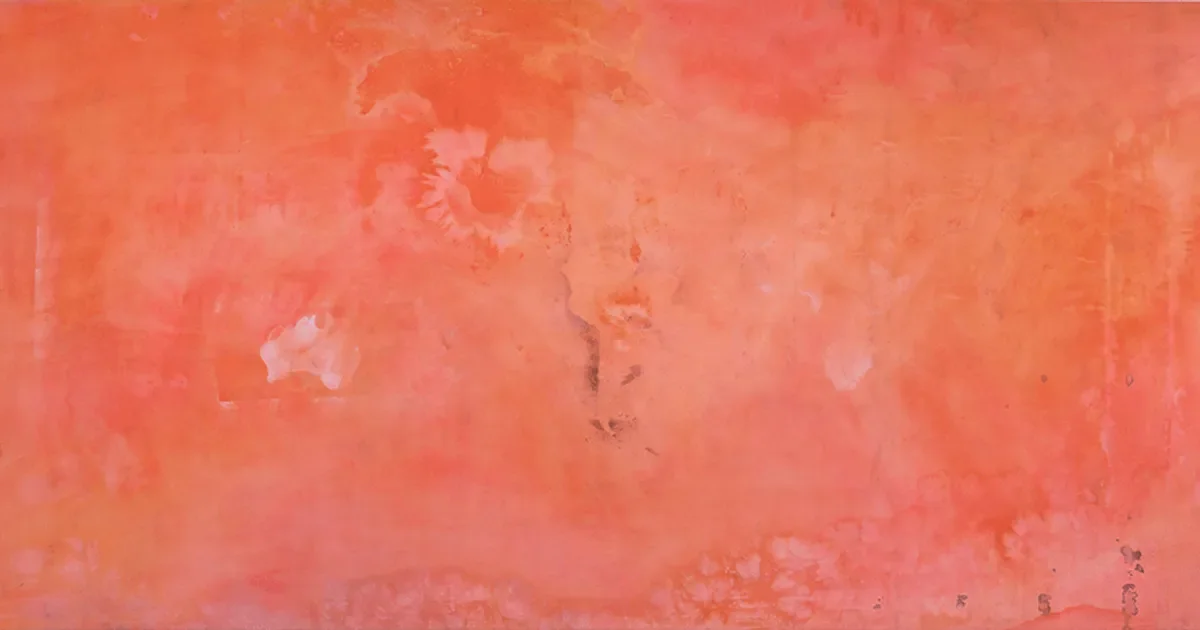
Frank Bowling, False Start, 1970, acrylic and spray paint on canvas, 233.7 × 549.6 x 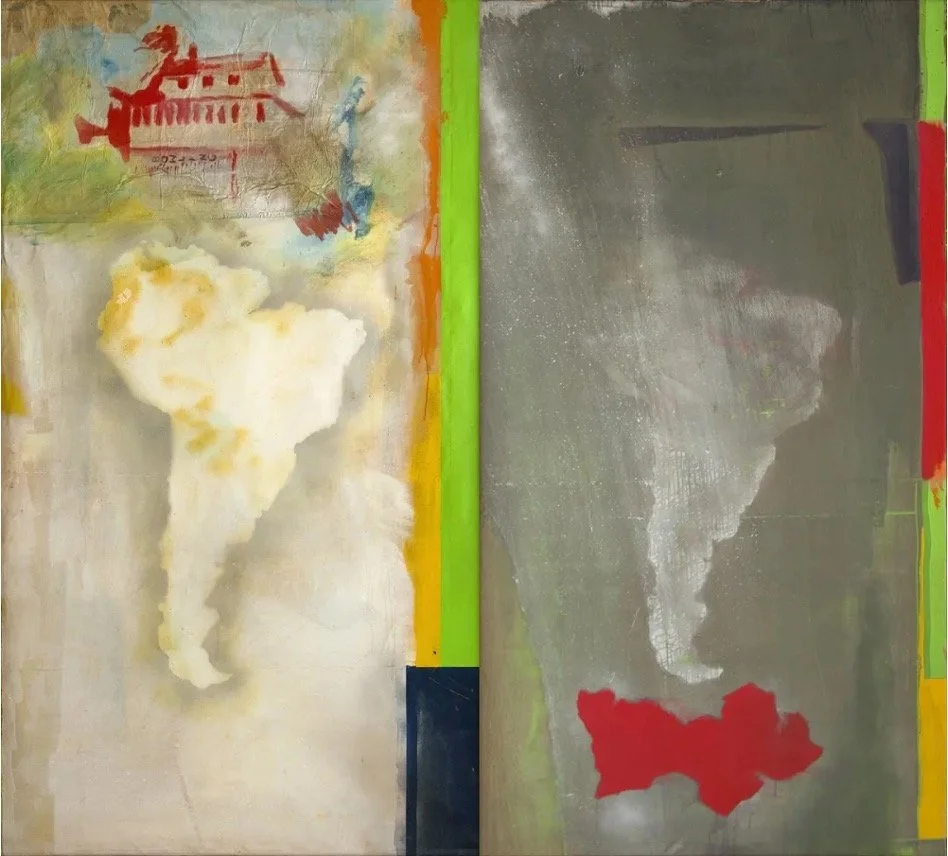
Frank Bowling, Mother’s House on South America, 1968, acrylic on canvas, 233 x 122cm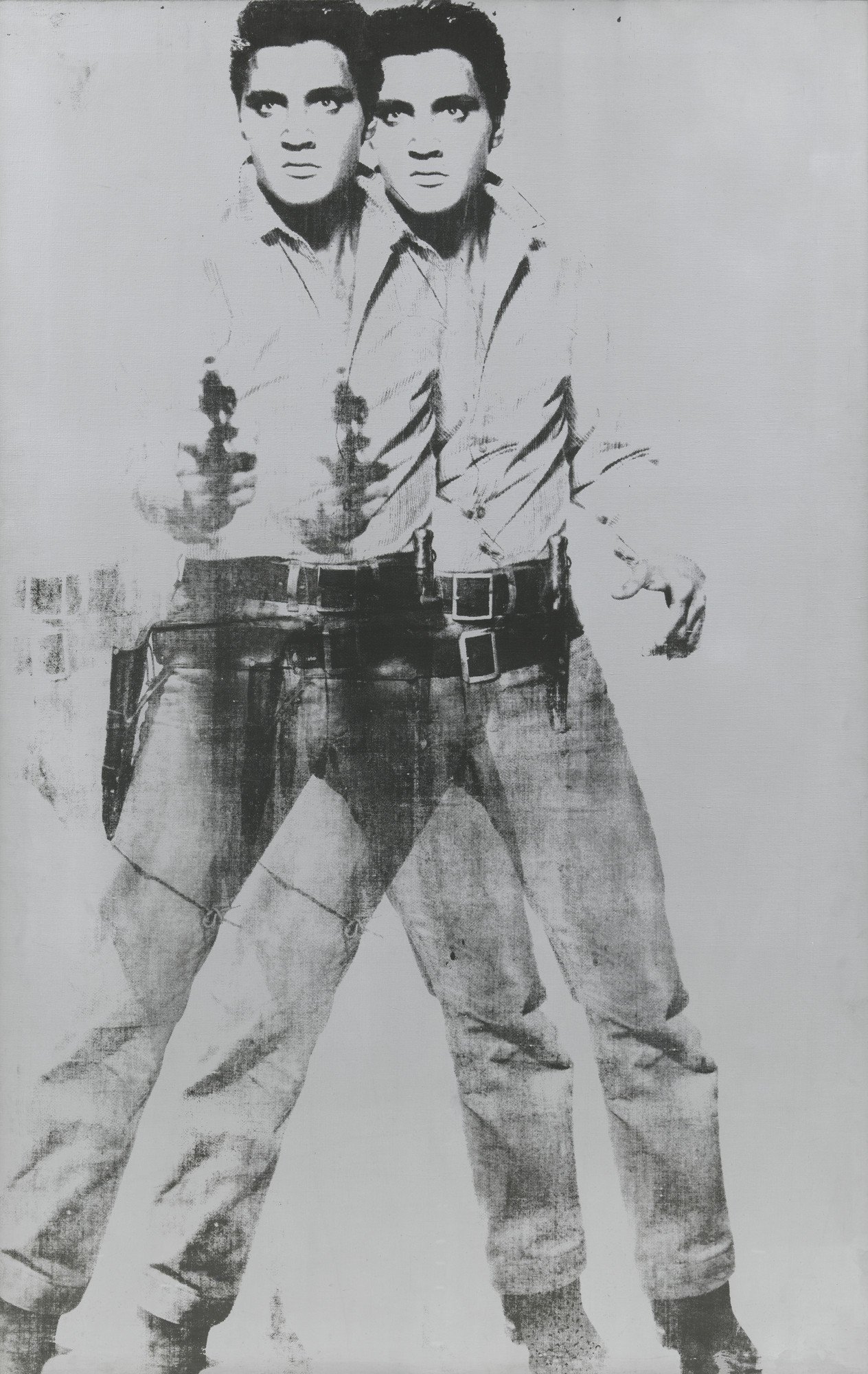
Andy Warhol, Double Elvis, 1963, silkscreen ink on acrylic on canvas, 210.8x 134.6cm